


 English
 русский
 Español
 عربى

Product Category
NEW Category
Contact us
Contact Us
We specialise in the research, development and manufacture of electrical wires and cables.
 +86-18052558887
What are the different types of traffic signal lights
The Main Types of Traffic Signal Lights
Traffic signal lights fall into six main types: vehicle signals, pedestrian signals, bicycle signals, transit priority signals, lane control and ramp metering signals, and flashing beacons or portable temporary signals. The vehicle signal is the most common. It is built from a red, a yellow, and a green LED lens in a 200 mm (8 inch) or 300 mm (12 inch) housing, and it is the product most buyers mean when they search for a Traffic Signal Light. The other five types add turn control, protect people walking and cycling, give priority to buses and trams, manage lane use and freeway entry, or warn drivers where a full signal is not justified.
Traffic signal lights can also be grouped by how they are controlled (fixed time, actuated, or adaptive) and by their light source (LED or incandescent). Almost all new installations now use LED modules, which draw roughly 80 to 90 percent less power than the incandescent lamps they replaced. The sections below explain each type, show how signal timing works, and finish with a specification checklist for engineers and buyers.
Vehicle Traffic Signal Light Types
Vehicle signals control the right of way for cars, trucks, and motorcycles. Within this group there are four common head configurations.
Standard Three Aspect Heads
A standard vehicle signal head has three lenses: red (stop), yellow or amber (the signal is about to change to red), and green (proceed if the intersection is clear). In North America the red lens sits at the top of a vertical head, or on the left of a horizontal head. The fixed position matters because it lets drivers read the signal by position as well as by color, which helps people with color vision deficiency.
Lens diameter is normally 200 mm (8 inch) or 300 mm (12 inch). The 300 mm size is widely specified on higher speed approaches and wide intersections because it is visible from farther away. The 200 mm size is common on low speed streets and for secondary signal faces. In the United Kingdom and much of Europe, the sequence also differs: red and amber show together for a short period before green, warning drivers to prepare to move, whereas in North America red changes directly to green.
Arrow Signals for Turn Control
Arrow signals control a single movement, usually a turn:
- Green arrow: a protected turn, with conflicting traffic held at red.
- Yellow arrow: the protected turn phase is ending.
- Red arrow: the turn is prohibited.
- Flashing yellow arrow: a permissive turn, where drivers may turn after yielding to oncoming traffic. Many US agencies adopted it for permissive left turns after research showed drivers understood it better than a circular green ball.
Four section and five section heads combine circular lenses with arrow lenses in one housing, for example red, yellow, green, and a green left arrow, so a single signal face can serve both through and turning traffic.
Flashing Signals and Beacons
A flashing red signal is treated like a stop sign: drivers stop, then proceed when safe. A flashing yellow signal means proceed with caution. Many intersections switch to flashing mode overnight or during a fault. Standalone yellow flashing beacons are mounted above warning signs at school zones, sharp bends, and uncontrolled crossings, where a full signal is not justified but drivers need an extra prompt.
| Vehicle Signal Type | Indications | Typical Use |
|---|---|---|
| Three aspect head | Red, yellow, green | Standard intersection control |
| Arrow head | Red, yellow, green, or flashing yellow arrow | Protected and permissive turns |
| Four or five section head | Circular lenses plus one or two arrows | Shared through and turn lanes |
| Flashing beacon | Flashing yellow or flashing red | School zones, warnings, overnight mode |
Pedestrian, Bicycle, and Transit Signals
Pedestrian Signals
Pedestrian signals use symbols to tell people on foot when to cross. Many countries use a walking person for go and an upraised hand for do not start crossing. Others, including much of Europe and Asia, use a green walking figure and a red standing figure. Countdown pedestrian signals show the seconds remaining in the clearance interval, so people can decide whether to start crossing.
Clearance time is commonly calculated with a walking speed of about 1.1 metres per second (3.5 feet per second). A 20 metre crossing therefore needs roughly 18 seconds of clearance. Accessible pedestrian signals add audible tones, speech messages, and vibrating push buttons for people with visual impairments.
Bicycle Signals
Bicycle signal faces show a bicycle symbol in red, yellow, or green. They allow a separate phase for riders at protected intersections, which reduces conflict with turning vehicles. They are usually mounted lower on the pole, where riders can see them without looking up into the main vehicle heads.
Transit Priority Signals
Bus and tram priority signals use a distinct symbol, such as a white bar or a letter, so general traffic does not mistake them for a normal indication. They are used on bus lanes and light rail alignments, where the controller detects an approaching vehicle and extends or calls a green phase to shorten delays.
Specialty Traffic Signal Lights for Roads, Ramps, and Work Zones
- Lane control signals: mounted over individual lanes. A red X means the lane is closed, a yellow X or yellow diagonal arrow means prepare to leave the lane, and a green downward arrow means the lane is open. They are used on reversible lanes, tunnels, bridges, and toll plazas.
- Ramp meters: two or three aspect signals on freeway on ramps that release one vehicle, or sometimes two, per green. They space out merging traffic, and flow rates are typically several hundred vehicles per hour per lane.
- Hybrid beacons: dark until a pedestrian presses the button. They then show flashing yellow, steady yellow, and steady red while pedestrians cross, followed by alternating flashing red, when drivers may proceed after stopping.
- Emergency vehicle and railway signals: signals outside fire stations stop traffic so emergency vehicles can leave, and railway crossing signals use alternating flashing red lights to warn of approaching trains.
- Portable and solar powered signals: temporary signals in work zones control alternating one lane traffic. Trailer mounted units with batteries and solar panels can run without grid power, and a radio link keeps paired units in step.
LED vs Incandescent Traffic Signal Light Technology
LED modules have replaced incandescent bulbs in almost every new traffic signal light, and many agencies have retrofitted older heads. The table summarises the practical differences.
| Feature | LED Module (300 mm) | Incandescent Lamp (300 mm) |
|---|---|---|
| Power draw | About 6 to 15 W | About 69 to 150 W |
| Typical service life | 5 to 10 years or more | About 1 year |
| Failure mode | Gradual dimming or partial LED loss | Sudden burnout |
| Sun phantom effect | Low, no reflector | Higher, reflector can mimic a lit lens |
| Snow on lens | Can accumulate, little waste heat | Melts from lamp heat |
As an illustrative estimate, an intersection with 12 signal faces has about 12 lenses lit at any moment. At roughly 135 W each, incandescent lamps would draw about 1.6 kW, or around 14,200 kWh a year running continuously. LED modules at about 10 W each would draw about 120 W, or roughly 1,050 kWh a year. At 0.12 USD per kWh, that is a saving of about 1,500 USD per intersection per year, before counting the lower lamp replacement and truck roll costs.
The snow point deserves attention in cold regions. Because LED modules produce little waste heat, snow and ice can build up on the lens, so some projects specify lens heaters or hooded visors.
How Traffic Signal Lights Are Controlled
The signal head only displays the indication. A controller cabinet decides when each indication changes. Three control strategies are common:
- Fixed time control: a preset cycle repeats regardless of traffic, with cycle lengths typically between 60 and 120 seconds. It is cheap and predictable, and works best where traffic patterns are stable.
- Actuated control: detectors such as inductive loops, video cameras, or radar sensors call or extend green phases according to demand. It reduces wasted green time on side streets.
- Adaptive control: systems such as SCATS and SCOOT adjust cycle length and phase splits across a corridor in response to measured flows.
How the Yellow Time Is Set
A common engineering approach sets yellow time as driver perception reaction time plus the time needed to decelerate: Y = t + v / (2a). Using a reaction time of 1.0 second and a deceleration of about 3 metres per second squared (10 feet per second squared) on level ground gives the figures below. Local agencies set final timings, and many add an all red clearance of roughly 1 to 2 seconds.
| Approach Speed | Calculated Yellow Time |
|---|---|
| 25 mph (40 km/h) | About 2.8 seconds |
| 35 mph (56 km/h) | About 3.6 seconds |
| 45 mph (72 km/h) | About 4.3 seconds |
| 55 mph (89 km/h) | About 5.0 seconds |
How to Choose a Traffic Signal Light: Specification Checklist
Whether you are an engineer writing a tender or a buyer comparing suppliers, these are the points that separate a reliable traffic signal light from a problem unit.
- Lens size: choose 300 mm for higher speed and wide approaches, 200 mm for low speed streets and secondary faces.
- Standard compliance: match the standard of the market where the signal will be installed, such as ITE specifications in the United States, EN 12368 in Europe, or GB 14887 in China, and ask for test reports.
- Ingress protection: IP54 is a typical minimum for outdoor heads, and IP65 gives stronger protection against dust and driving rain.
- Operating temperature: LED modules are commonly specified for minus 40 to plus 74 degrees Celsius. Confirm this against your local climate.
- Supply voltage: check that the module matches the controller, whether 12 V DC, 24 V DC, or mains AC in a range such as 85 to 265 V, particularly for solar powered systems.
- Housing material: UV stabilised polycarbonate is light and corrosion proof, while die cast aluminium is stronger and heavier. Choose by wind load and mounting method.
- Optics and visibility: request luminous intensity data, check even illumination across the lens, and consider backplates to improve contrast against bright backgrounds.
- Warranty and lumen maintenance: ask for the warranty period, commonly 3 to 5 years, and data on how light output holds up over time.
- Mounting compatibility: confirm brackets suit your poles, mast arms, or span wires before ordering.
Frequently Asked Questions
1. What are the different types of traffic signal lights?
The main types are vehicle signals, pedestrian signals, bicycle signals, transit priority signals, lane control and ramp metering signals, and flashing beacons or portable temporary signals. Vehicle signals include standard three aspect heads, arrow heads, and multi section heads.
2. What do the colors of a Traffic Signal Light mean?
Red means stop, yellow means the signal is about to turn red, and green means proceed if the way is clear. A flashing red is treated as a stop sign, and a flashing yellow means proceed with caution.
3. Why is red usually at the top of a vertical traffic signal light?
A fixed position lets drivers recognise the signal by position as well as color. This helps people with color vision deficiency, and it keeps the signal consistent from one intersection to the next.
4. Should I choose a 200 mm or a 300 mm traffic signal light?
Choose 300 mm (12 inch) for higher speed roads, wide intersections, and primary signal faces, because it is visible from farther away. Choose 200 mm (8 inch) for low speed streets and secondary faces, where space and cost are tighter.
5. How long does an LED traffic signal light last?
Typically 5 to 10 years or more, compared with about one year for an incandescent lamp. LED modules usually fade gradually rather than failing suddenly, so ask suppliers for lumen maintenance data and replace modules when output drops below the specified level.
6. What is the difference between a traffic signal and a beacon?
A traffic signal assigns right of way by cycling through indications. A beacon flashes to warn drivers or draw attention to a sign or hazard, and does not assign right of way on its own.
7. How is the yellow time of a traffic signal light calculated?
A common method adds driver reaction time to the time needed to slow down: Y = t + v / (2a). With a 1.0 second reaction time and a deceleration of about 3 metres per second squared, that gives about 2.8 seconds at 40 km/h and about 5.0 seconds at 89 km/h. Local agencies set the final values.
8. Can traffic signal lights run on solar power?
Yes. LED modules draw little power, so solar panels and batteries can run temporary and remote signals. Size the system for the lowest sunlight months and include several days of battery reserve so the signals keep working through cloudy weather.
9. What is a countdown pedestrian signal?
It is a pedestrian signal that displays the seconds left in the crossing clearance interval. People can see whether there is enough time to finish crossing, and it does not change how long the interval actually lasts.
10. What should I ask a supplier before buying a traffic signal light?
Ask for test reports against the standard of your market, the ingress protection rating, the operating temperature range, the supply voltage options, lumen maintenance data, the warranty period, and a sample unit. Confirm the mounting brackets fit your poles or mast arms before placing a bulk order.
Interested in cooperation or have questions?
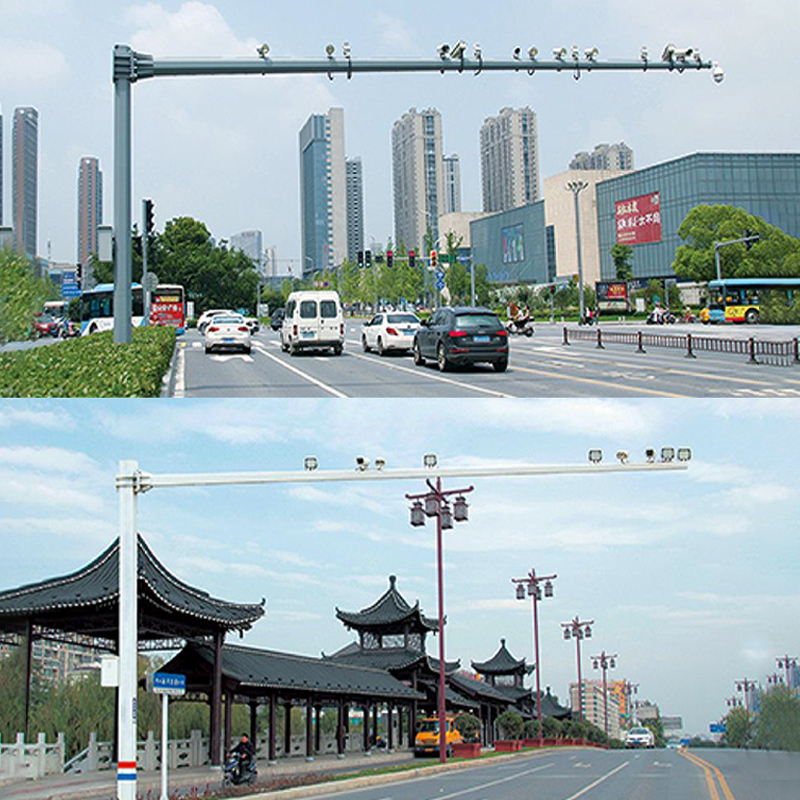
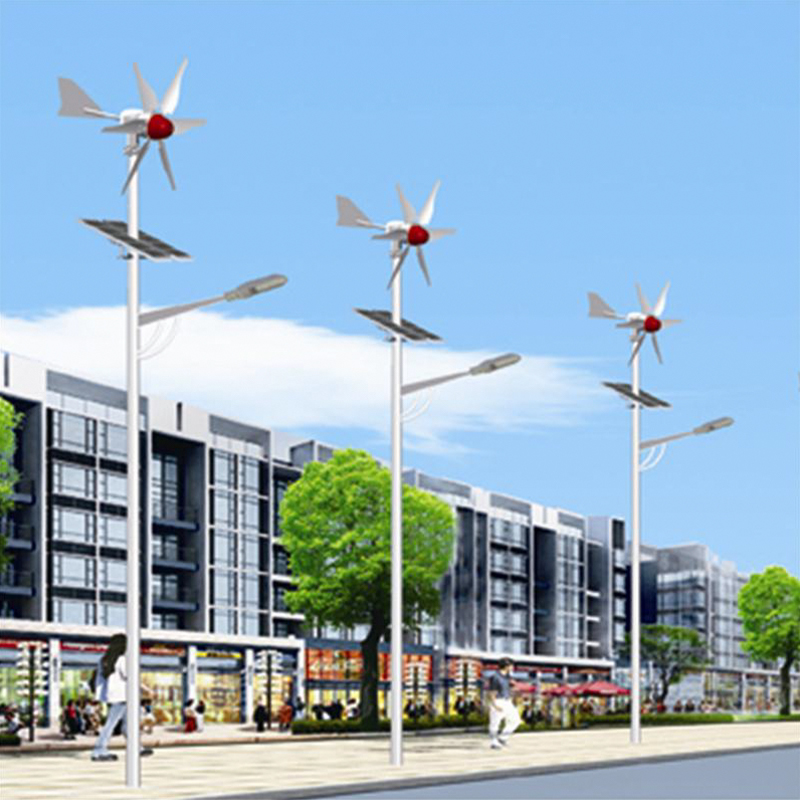
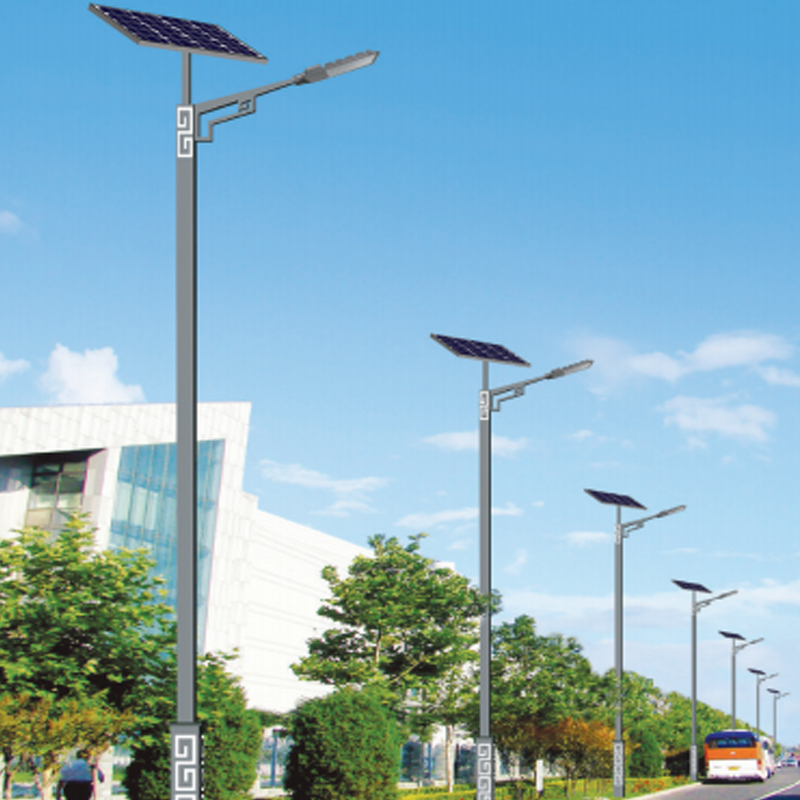
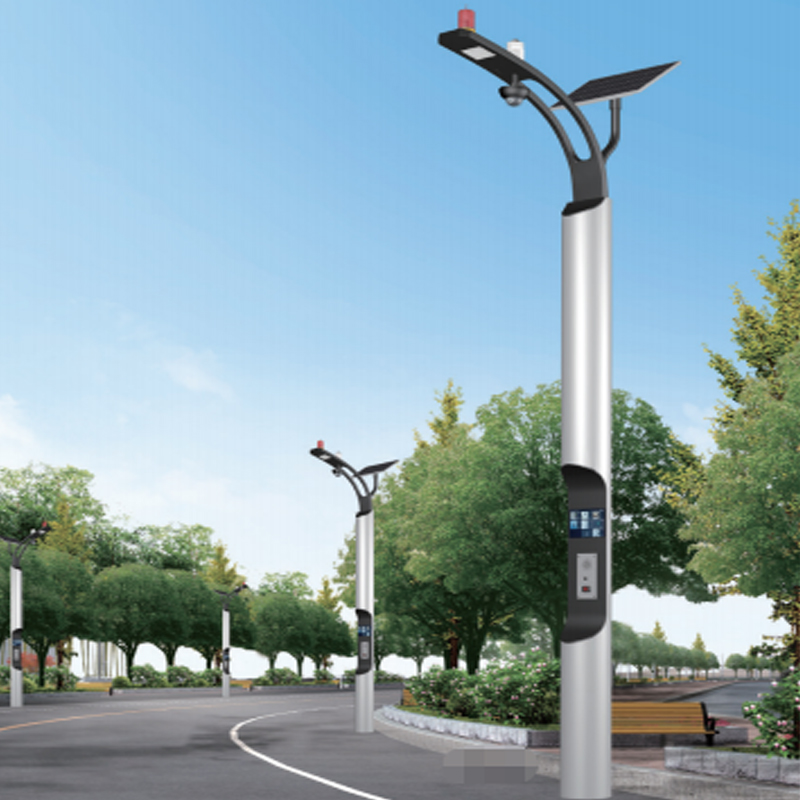
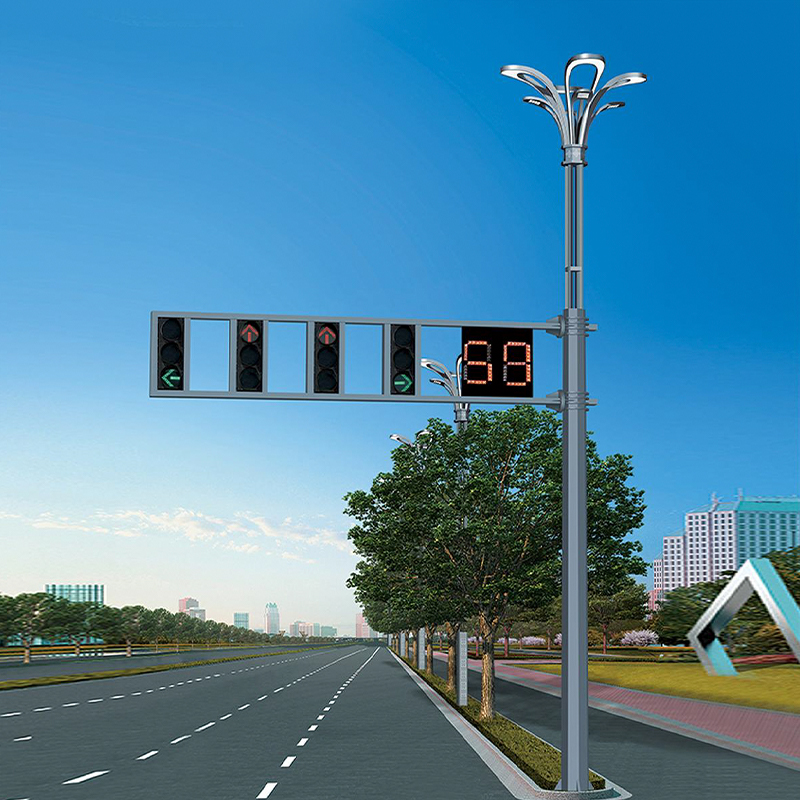
Looking for a Reliable Traffic Signal Light Manufacturer?
Yongyao provides customized traffic signal products for different road infrastructure projects.
We support adjustments in structure, dimensions, installation methods, and equipment compatibility to meet specific project requirements.

Yongyao is ready to support your project with responsive communication and practical, project-oriented product solutions.
Contact Us
-
 18052558887@163.com
-
913041567@qq.com
-
 +86-18052558887
-
 Zone 3, Guoji Industrial Park, Songqiao Town, northern suburbs of Yangzhou, Jiangsu Province, China
