


 English
 русский
 Español
 عربى
عربى
Product Series
Product Category
- Traffic Signal Light
- Crosswalk Signal Light
- Solar Signal Light
- Traffic Signal Light Source
- Road Monitoring Pole
- Road Signs
- Road Signs Pole
- Led Traffic Guidance Screen Pole LED
- Highway Electronic Screen Frame
- Intelligent Traffic Camera Column
- Multifunctional Combination Lamp Pole
- Solar Road Lamp
- Smart Streetlights
Contact us
 +86-18052558887
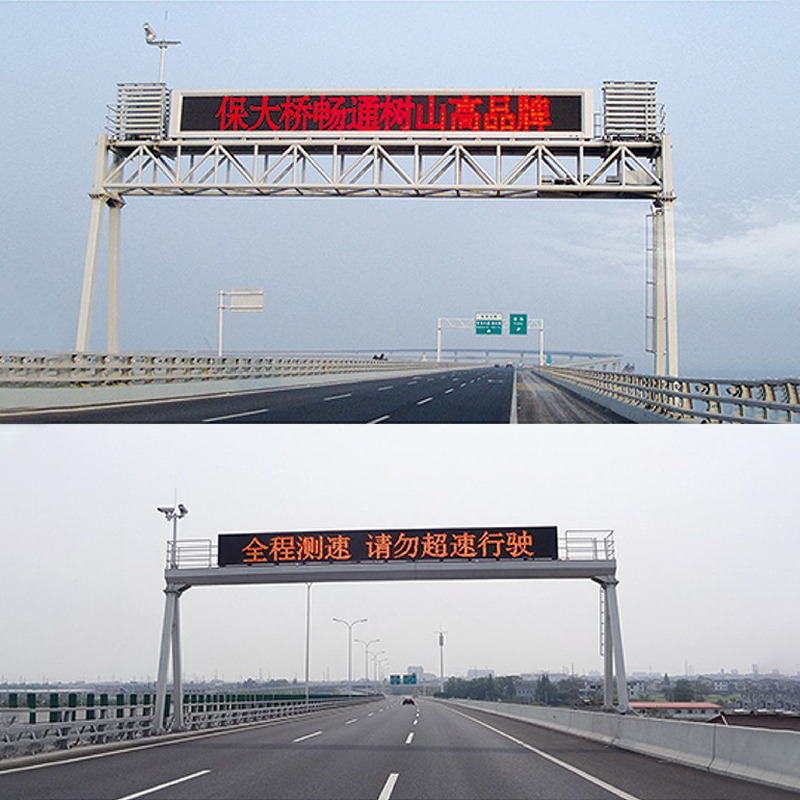
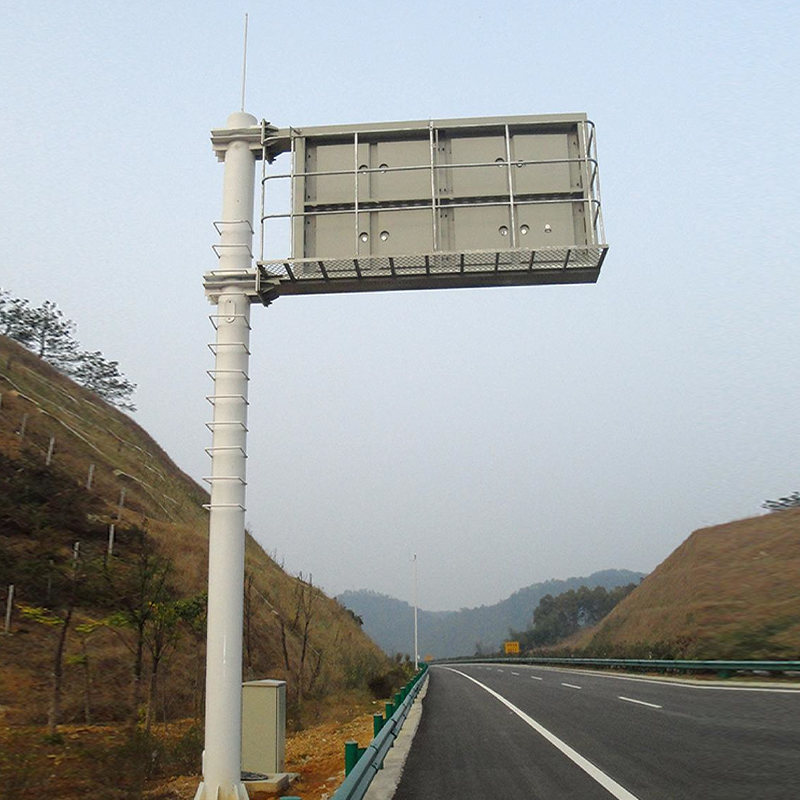
Highway Electronic Screen Frame
 About Us
A Manufacturer Focused on Road Infrastructure Products
About Us
A Manufacturer Focused on Road Infrastructure Products
Yongyao specializes in manufacturing traffic signal products, road poles, sign structures, and related outdoor steel structures for a wide range of infrastructure applications.
With experience in manufacturing products for road traffic management, traffic safety, and roadway lighting, we support customers with project-based sourcing and customized procurement requirements.
Yongyao is more than a product supplier. We aim to be a reliable manufacturing partner that understands the practical requirements of each project.
For contractors, distributors, and engineering procurement companies, this means more efficient and reliable coordination—from requirement confirmation and product customization to production and delivery.
 Supporting Standard Supply and Custom Production
Supporting Standard Supply and Custom Production
Supporting Standard Supply and Custom Production
News
Stay Updated on Our Latest News and Exhibitions
Supporting Standard Supply and Custom Production
Supporting Standard Supply and Custom Production
Supporting Standard Supply and Custom Production
Supporting Standard Supply and Custom Production
News
Stay Updated on Our Latest News and Exhibitions
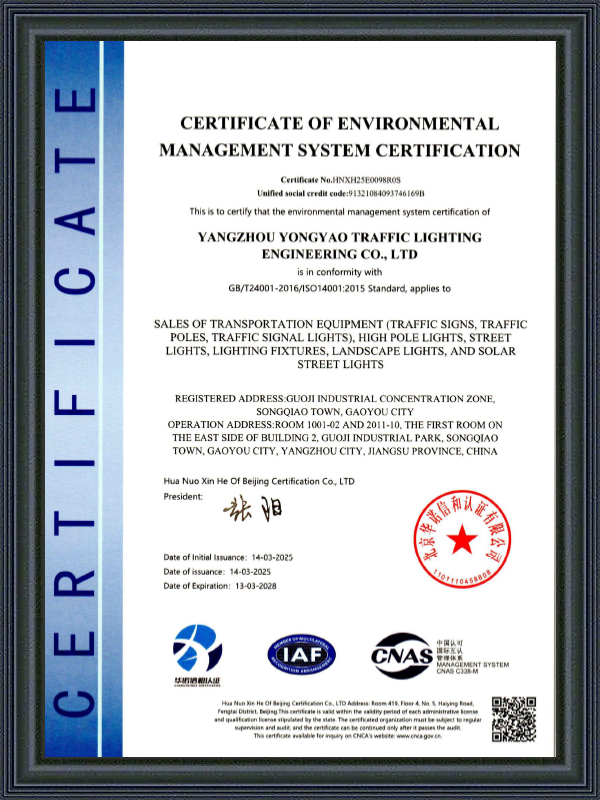
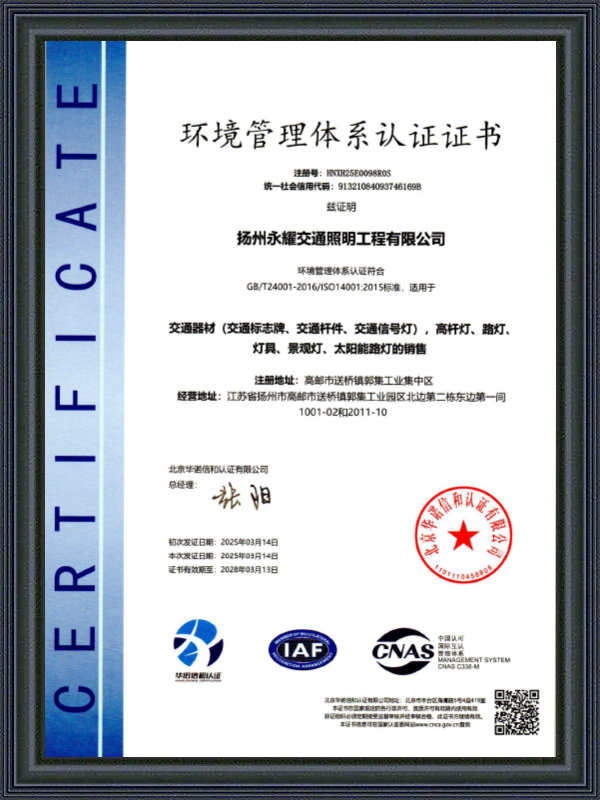
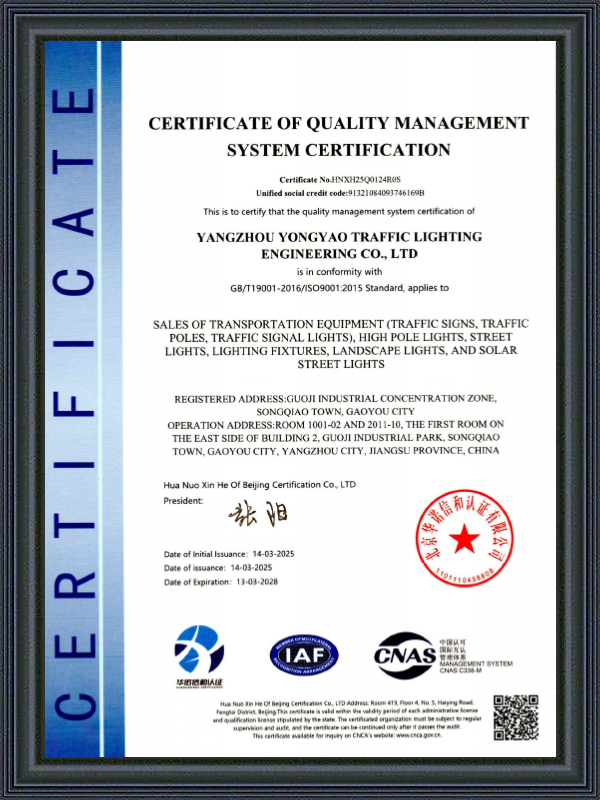
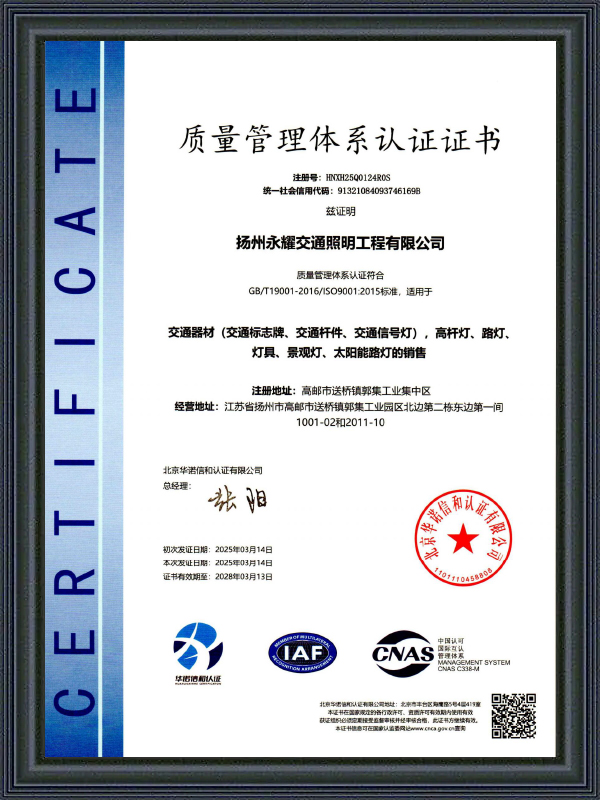
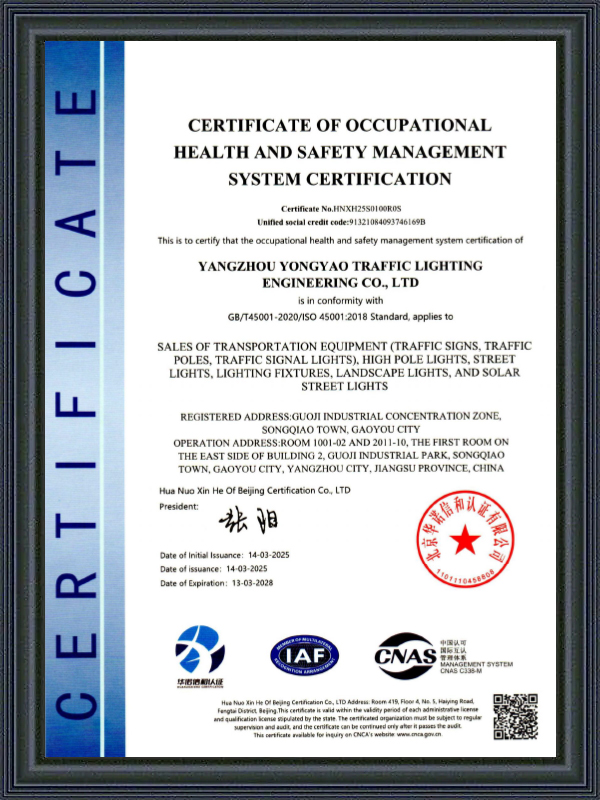
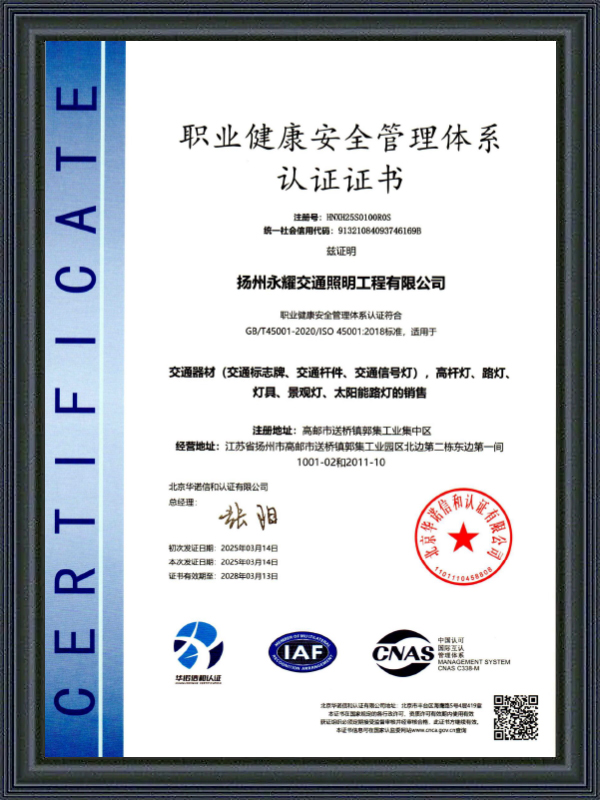
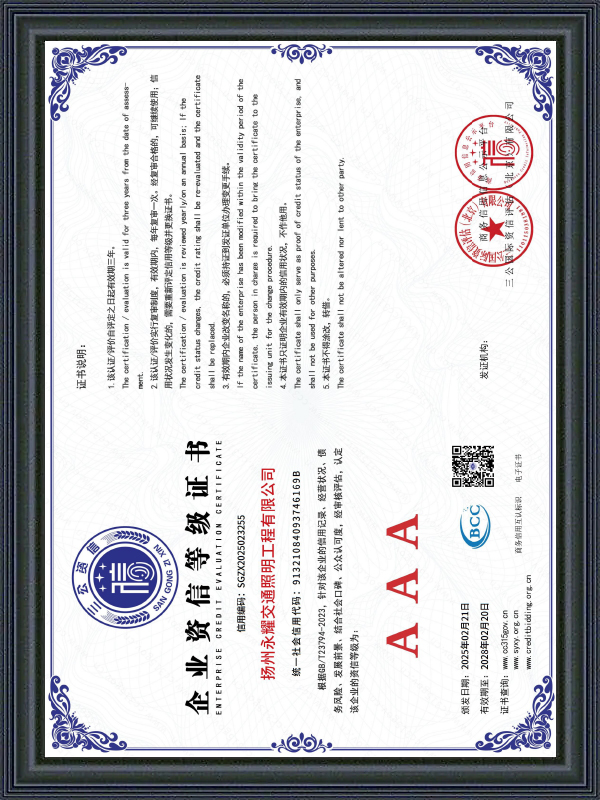
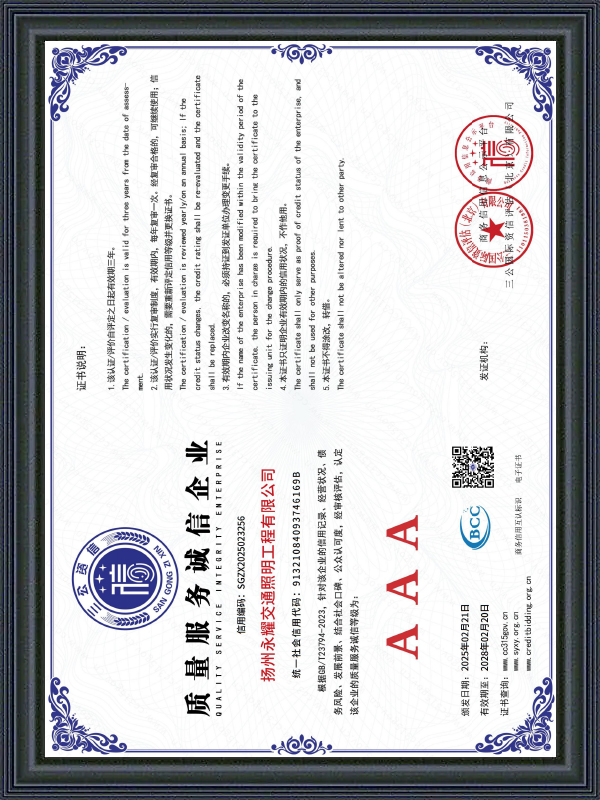
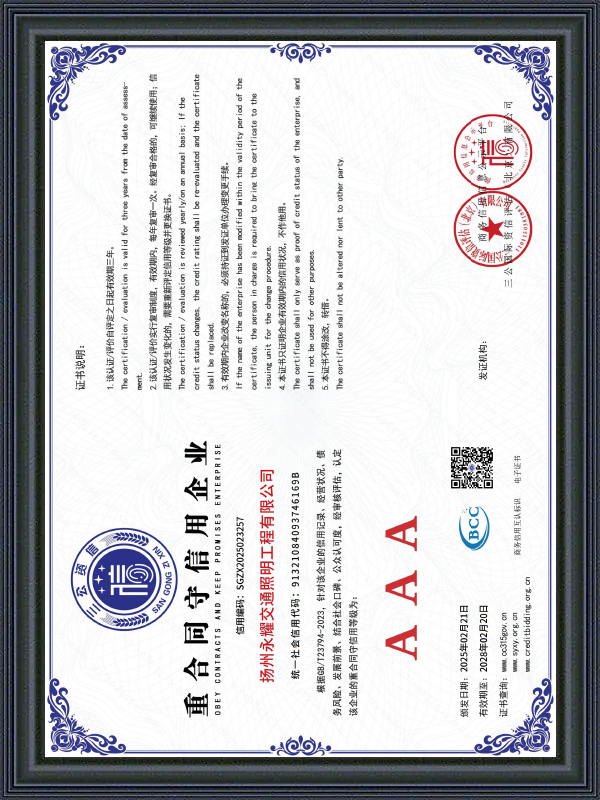
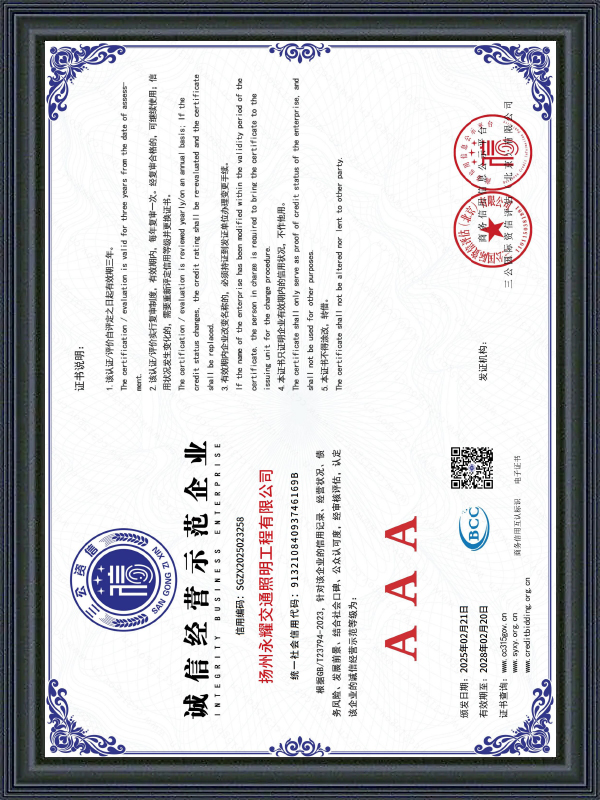
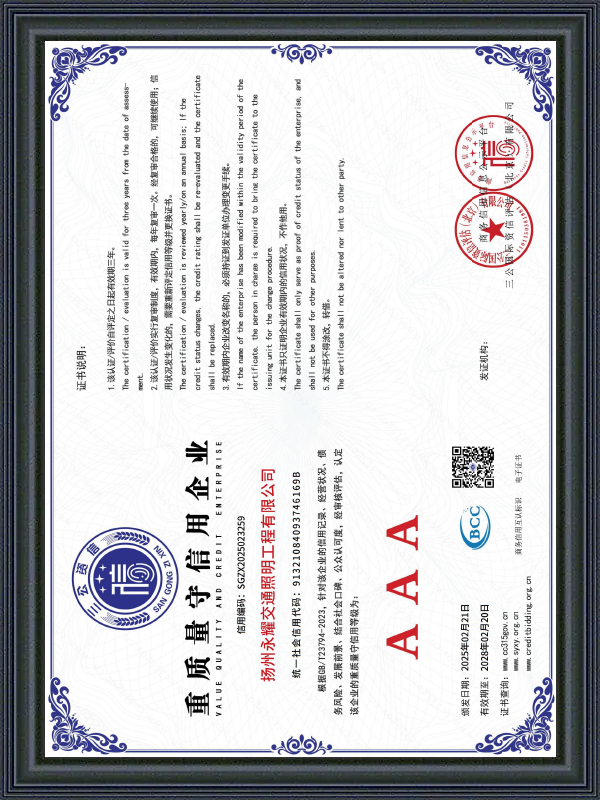
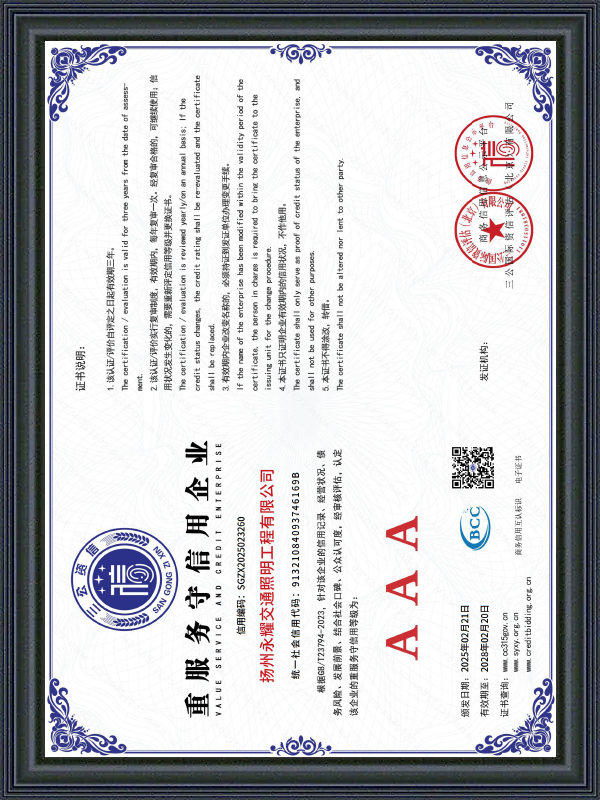
Yongyao provides customized traffic signal products for different road infrastructure projects.
We support adjustments in structure, dimensions, installation methods, and equipment compatibility to meet specific project requirements.

Yongyao is ready to support your project with responsive communication and practical, project-oriented product solutions.
-
 18052558887@163.com
-
913041567@qq.com
-
 +86-18052558887
-
 Zone 3, Guoji Industrial Park, Songqiao Town, northern suburbs of Yangzhou, Jiangsu Province, China
Copyright © 2026 by Yangzhou Yongyao Traffic Lighting Co., Ltd.
