


 English
 русский
 Español
 عربى

Product Category
NEW Category
Contact us
Contact Us
We specialise in the research, development and manufacture of electrical wires and cables.
 +86-18052558887
What are the different types of traffic signal lights?
Core Types of Traffic Signal Lights Used on Roads
Traffic signal lights fall into six working groups: standard three-color vehicle signals, arrow signals for turning movements, pedestrian and bicycle signals, flashing beacons, lane control and ramp metering signals, and railway or movable bridge warning lights. Each group solves a different conflict between road users, so a single intersection may combine three or four of them on one pole arm.
All of them share one purpose: directing the movement of vehicles and pedestrians through colored or symbolic indications that say when to go, slow down or stop. Reliable signals keep traffic orderly and reduce collisions at points where paths cross. The sections below describe what each group looks like, where it is installed, and how the supporting poles and hardware are chosen.
Standard Three-Color Vehicle Signals
The familiar red, yellow and green face is the backbone of intersection control. Red means stop and stay behind the stop line, green permits movement through the intersection, and yellow warns that the right of way is about to change. In vertical housings the red lens sits at the top, while horizontal housings place it on the left, a layout that helps color-blind drivers identify the active lens by position alone.
Lens Size and Visibility
Lenses come in two common diameters, 8 inches (200 mm) and 12 inches (300 mm). The larger size suits roads with higher approach speeds or wide intersections, because it remains readable from a greater distance. Many signal heads also carry a black backplate with a reflective yellow border, which improves contrast against bright sky at dawn and dusk.
Timing of the Yellow and Red Clearance Intervals
Yellow duration is calculated from approach speed and road grade. On an urban street posted at 30 mph the yellow typically runs about 3 to 4 seconds, and on a 55 mph arterial it can stretch to 5 or 6 seconds. A short all-red interval of one to two seconds often follows, giving late vehicles time to clear before cross traffic receives a green.
Arrow Signals for Protected and Permitted Turns
Arrow indications separate turning vehicles from opposing or crossing flows. A green arrow gives a protected turn with no conflicting traffic, a red arrow bans the turn while other movements continue, and a yellow arrow warns that the protected phase is ending. Left-turn lanes at busy junctions often have a dedicated signal head with these arrows, sometimes mounted on its own arm over the turn lane.
A flashing yellow arrow has become widespread for permitted left turns. It tells drivers they may turn but must yield to oncoming vehicles and pedestrians. Field studies in several states have reported fewer left-turn crashes after agencies replaced circular green permissive displays with the flashing arrow, because the dedicated display reads more clearly than a round green ball shared with through traffic.
Pedestrian and Bicycle Signals
Pedestrian heads show a white walking figure for the crossing interval and an upraised orange hand for stop. Many models add a countdown timer that displays the remaining seconds of the clearance phase. Crossing time is usually calculated from a walking speed of about 3.5 feet per second, slower than average adult pace, so that older adults and children can finish the crossing.
Accessible pedestrian signals add a push button with a vibrating arrow and a spoken or tonal message, assisting people with low vision. Bicycle signals use the same red, yellow and green colors but display a bicycle symbol in the lens. They are common along protected bike lanes where cyclists need a separate phase from turning cars.
Flashing Beacons and Warning Lights
Flashing beacons do not alternate through a full cycle. A flashing yellow beacon, often hung above a hazardous curve or mid-block crosswalk, asks drivers to proceed with caution. A flashing red beacon acts like a stop sign, and it is frequently mounted over an intersection where all approaches must stop, or paired with stop signs on rural roads with limited sight distance.
School zones use yellow beacons that flash during arrival and dismissal hours, with posted reduced speeds of 15 to 25 mph. Rectangular rapid flashing beacons at uncontrolled crosswalks use bright LED bars that pulse in an irregular pattern when a pedestrian presses the button, which draws attention more effectively than a steady glow.
Lane Control Signals and Ramp Meters
Lane control signals hang above individual lanes on bridges, tunnels and reversible roadways. A green downward arrow means the lane is open, a yellow X tells drivers to move out of the lane, and a red X forbids use. Tunnels and long bridges rely on them to close a lane after an incident, while reversible express lanes use them to switch direction between morning and evening peaks.
Ramp meters sit at freeway entrances and release one or two vehicles per green, spacing merges so the main line keeps moving. Their two-lens heads are smaller than a full intersection signal, and release rates can range from roughly 240 to 900 vehicles per hour depending on mainline congestion.
Railway Crossing and Movable Bridge Signals
Highway-rail crossings use a pair of red lights that flash alternately, often combined with a bell and a lowering gate arm. Regulations in many countries call for a warning time of at least 20 seconds before a train arrives, giving vehicles time to stop or clear the tracks. Movable bridges apply a similar scheme, with red lights and gates activating before the span rises for boat traffic.
Light rail and tram lines add their own white bar signals at street crossings. A vertical bar allows the vehicle to proceed, a horizontal bar means stop, and a triangular or diagonal bar warns of a pending change.
Comparing Signal Types by Location and Meaning
| Signal type | Common location | Typical indication |
|---|---|---|
| Three-color vehicle signal | Urban and suburban intersections | Red stop, yellow warning, green go |
| Arrow signal | Left-turn and right-turn lanes | Protected or restricted turning movement |
| Pedestrian signal | Crosswalk corners | Walking figure or upraised hand |
| Flashing beacon | School zones, rural junctions, mid-block crossings | Proceed with caution or stop and proceed |
| Lane control signal | Tunnels, bridges, reversible roads | Lane open, closing or closed |
| Ramp meter | Freeway entrance ramps | One vehicle per green to regulate merging |
| Railway crossing signal | Highway-rail grade crossings | Alternating red flashes, train approaching |
Signal Pole Structures That Carry the Lights
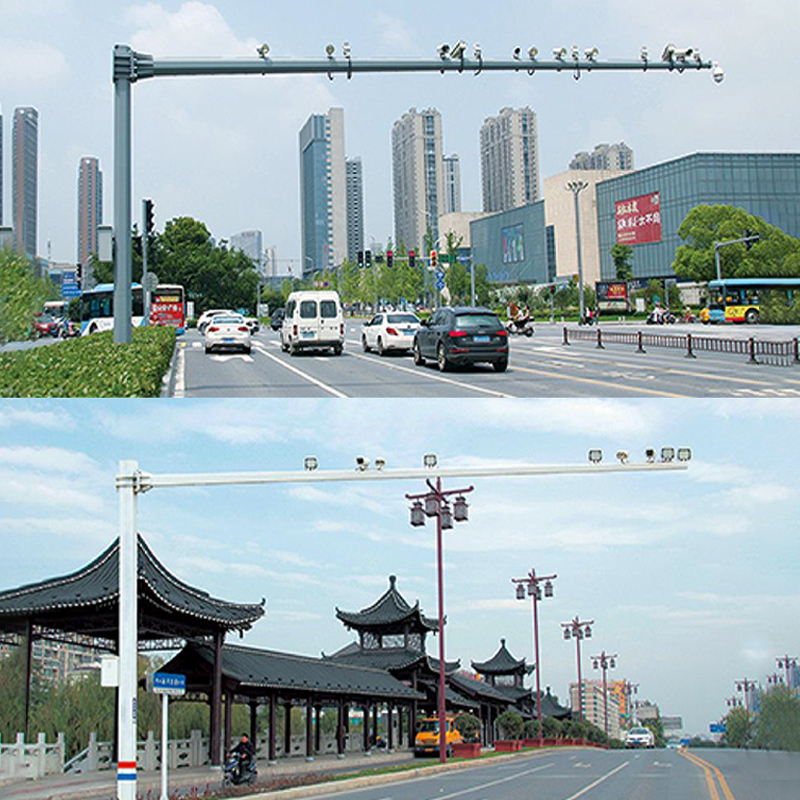
A signal head is only useful when it sits at the right height and angle, which is why the supporting pole is treated as part of the signal system rather than an accessory. Pole style depends on lane count, road width and the surrounding streetscape. Manufacturers such as Yongyao, which builds traffic signal products, road poles and sign structures, usually offer several configurations so that one project can mix layouts across different junctions.
Double-Arm Single-Column Poles
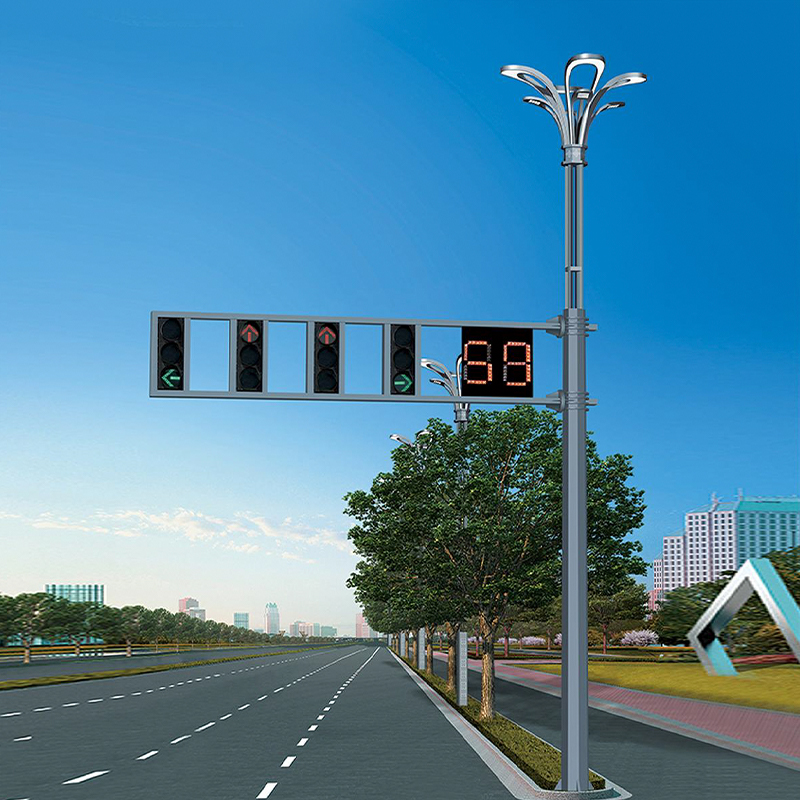
One vertical column carries two horizontal arms at different heights. The upper arm usually holds the vehicle signal heads and speed or lane signs, while the lower arm can carry turn arrows and a countdown timer. This arrangement suits multi-lane approaches where several displays must be seen at once without adding more poles to the sidewalk.
Octagonal Cantilever Poles
Eight flat faces give the shaft a stiff cross-section and make it easy to attach cabinets, cameras and brackets. The arm extends over the carriageway so that signal faces hang directly above the lanes they control. Arm lengths of roughly 4 to 9 meters are common on urban arterials, with longer spans used on wide boulevards.
Landscape Integrated Frame Poles
Some districts want signals, lane indicators and guide signs gathered on a single frame so the roadside looks tidy. An integrated frame can hold a signal head, a variable message panel and a direction sign together, which works well on city avenues where visual clutter is a concern. Color finishes are often matched to nearby street furniture.
Conical Streamlined Cantilever Poles
A tapered round shaft narrows gradually from base to top, which spreads wind load smoothly along the pole and gives a slender look in business districts and waterfront areas. Signal heads, a countdown display and an arrow indication can be mounted along a single curved or straight arm.
| Pole configuration | Typical mounting | Suited to |
|---|---|---|
| Double-arm single column | Two arms at different heights | Multi-lane approaches with turn arrows and signs |
| Octagonal cantilever | Single arm over the lanes | Urban arterials and wide intersections |
| Landscape integrated frame | Combined signal and sign frame | City avenues with design guidelines |
| Conical streamlined cantilever | Tapered shaft with extended arm | Business districts and waterfront roads |
Materials and Light Sources Behind the Signal Head
Signal housings are usually molded from polycarbonate or die-cast aluminum, both chosen for resistance to ultraviolet exposure, wind loads and temperature swings. Polycarbonate is lighter and easier to mount on mast arms, while aluminum tolerates harsher industrial or coastal conditions. Lenses are often made from UV-stabilized polycarbonate or glass, and visors shade the display so that low-angle sunlight does not wash out the colors.
Light-emitting diode modules have largely replaced incandescent bulbs. A red LED module draws roughly 8 to 15 watts compared with 67 to 150 watts for an older bulb, and the diodes commonly operate for 5 to 10 years instead of one or two. The reduced power draw also allows battery backup units to keep intersections running during short outages. Another practical benefit is that a failing array dims gradually in small segments rather than going dark all at once.
Steel, Coatings and Fabrication of the Pole
Poles are generally rolled and welded from structural steel plate, with wall thickness commonly between 4 and 10 mm depending on height and arm length. After welding, the structure is hot-dip galvanized so that a zinc layer of roughly 70 to 100 microns protects the steel from rust, and a polyester powder coat in gray, white or a custom color is often added for appearance. Base flanges, anchor bolt cages and internal cable channels are cut and drilled to match the foundation drawings, and structural design usually accounts for local wind speeds in the range of 30 to 40 meters per second.
How Controllers Decide Which Light Turns On
Behind each signal sits a cabinet housing a controller that sequences the displays. Fixed-time controllers repeat the same cycle, often 60 to 120 seconds long, and suit dense downtown grids with steady demand. Actuated controllers respond to detectors such as inductive loops cut into the pavement, video cameras or radar units, extending green time when vehicles are waiting and cutting it short when a lane is empty.
Adaptive systems go further by adjusting cycle length and phase splits across a whole corridor in response to measured flow. Emergency vehicle preemption lets an approaching ambulance or fire engine request a green through an optical or radio signal, and the controller shifts opposing approaches to red once safe clearance has been given.
Project Sourcing and Customization for Signal Installations
Contractors, distributors and engineering procurement teams usually receive a drawing package that fixes pole height, arm length, head count and foundation type. A manufacturer with experience across road traffic management, traffic safety and roadway lighting can confirm those requirements early, adjust dimensions or finishes to the project, and coordinate production and delivery so that poles, arms and brackets arrive in matching sets. This kind of project-based coordination reduces rework on site, since a mismatched flange or arm angle can stall an entire intersection upgrade.
Customization commonly covers arm shape, mounting holes for cameras or sign panels, color finishes and branding-free surface treatments for municipal tenders. Buyers working across several districts often ask for a shared pole family so maintenance crews handle only a few spare-part types.
Practical Guidance for Drivers and Pedestrians
Reading the type of signal before the color helps road users respond correctly. A flashing yellow arrow calls for yielding rather than stopping, a flashing red display should be treated as a stop sign, and a dark signal, usually caused by a power failure, is handled as an all-way stop at many intersections. Approaching a steady yellow, a driver who can stop comfortably should do so, while anyone already too close to halt safely should continue through.
Pedestrians gain from starting a crossing only during the walking display. A flashing upraised hand with a countdown means those already in the street should finish crossing, while those still on the curb should wait for the next cycle.
PREV:What are the different types of traffic signal lights
NEXT:Traffic Signal Light Selection Guide: Key Parameters and Purchasing Essentials for LED Signal Lights
NEXT:Traffic Signal Light Selection Guide: Key Parameters and Purchasing Essentials for LED Signal Lights
Interested in cooperation or have questions?
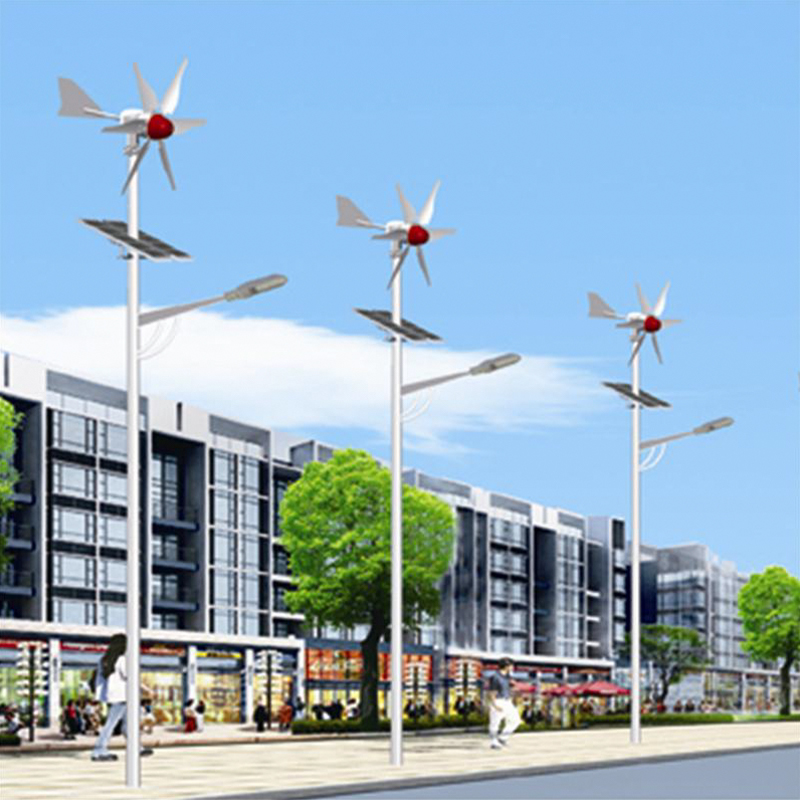
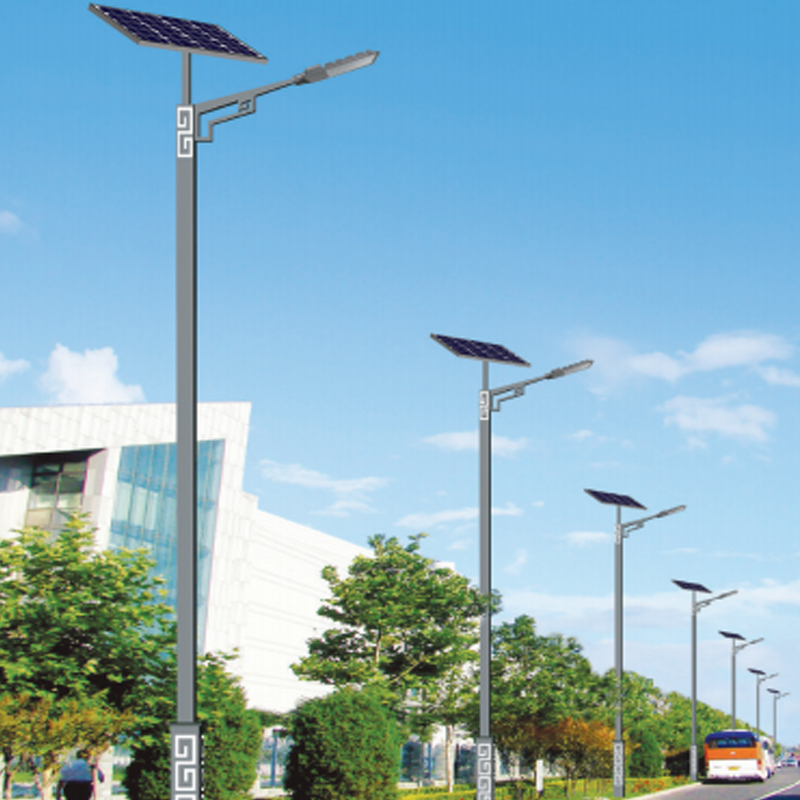
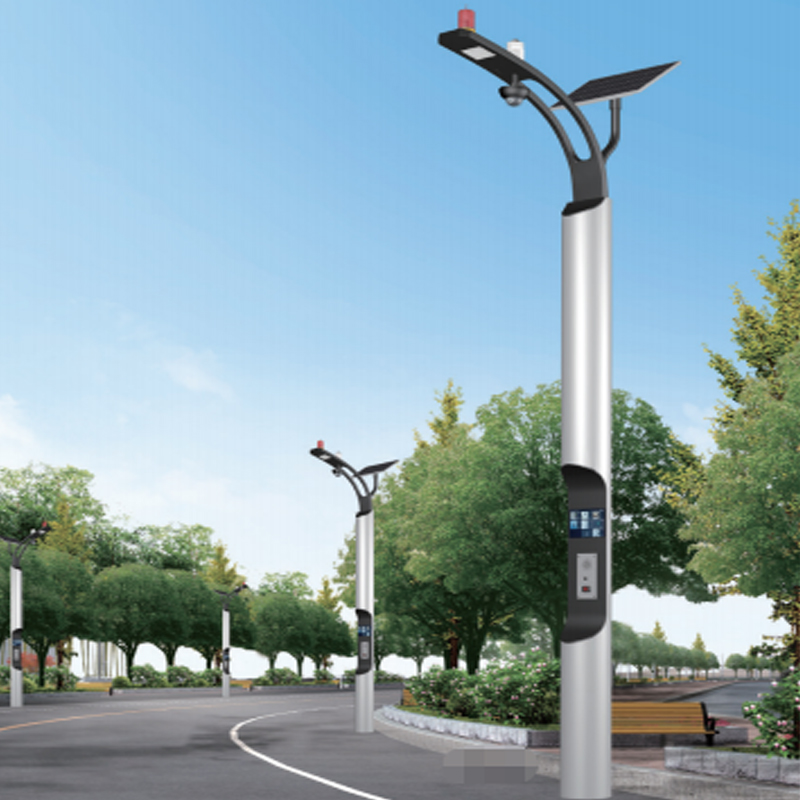
Looking for a Reliable Traffic Signal Light Manufacturer?
Yongyao provides customized traffic signal products for different road infrastructure projects.
We support adjustments in structure, dimensions, installation methods, and equipment compatibility to meet specific project requirements.

Yongyao is ready to support your project with responsive communication and practical, project-oriented product solutions.
Contact Us
-
 18052558887@163.com
-
913041567@qq.com
-
 +86-18052558887
-
 Zone 3, Guoji Industrial Park, Songqiao Town, northern suburbs of Yangzhou, Jiangsu Province, China
